Brand Comparisons &
Global Reviews
Bridging the gap between Seoul's innovation and global clinical standards. Join Dr. Anya Sharma as we dissect the formulations, philosophies, and performance of the industry's most influential players.
The Convergence of Two Worlds
In 2026, the distinction between "Korean Beauty" and "Global Beauty" has blurred into a sophisticated synergy. As a cosmetic scientist who spent years in the high-tech laboratories of Seoul, I've witnessed firsthand how traditional *Hanbang* (herbal medicine) ingredients are being reformulated using Western biotechnology.
This evolution is not just about marketing; it's about efficacy. Global giants are adopting the "Skin First" philosophy popularized by K-Beauty, while Korean brands are increasingly pursuing rigorous clinical trials and expanding their shade ranges to meet the needs of a diverse global audience. According to recent reports from Forbes, this trust in Asian formulation standards has reached an all-time high among dermatologists worldwide.
The Battle of the Philosophies
Comparing the heavyweights. We look beyond the packaging to the molecular structure of their best-sellers.
Sulwhasoo vs Estée Lauder
Ginseng Bio-technology vs. Advanced Night Repair (ANR)
-
Sulwhasoo: Focuses on Ginsenomics™ and skin resilience through traditional fermentation.
-
Estée Lauder: Masters of Chronolux™ Power Signal Technology for DNA repair.
COSRX vs The Ordinary
Snail Mucin vs. Direct Acids
-
COSRX: Champion of "clean" K-Beauty, focusing on soothing actives like Cica and Propolis.
-
The Ordinary: High-concentration single-ingredient serums at accessible price points.
Laneige vs Glossier
Water Bank Hydration vs. Balm Dotcom Lifestyle
-
Laneige: Pioneers of Blue Hyaluronic Acid for deep, cellular hydration.
-
Glossier: Focuses on the "No-Makeup" makeup look with hybrid skincare-makeup products.
Find Your Brand Philosophy
Curated by Dr. Anya Sharma's algorithmic analysis of 1,200+ formulations.
Your Scientific Match:
of global consumers now prefer brands with clear sustainability labels.
The Indie Revolution & Market Dynamics
The Korean cosmetics market is one of the most intensely competitive in the world. This "survival of the fittest" environment has birthed small, agile indie brands that prioritize transparency and niche needs over mass-market appeal.
Brands like Beauty of Joseon and Anua initially gained massive traction internationally through TikTok and Instagram before dominating the domestic market in Seoul. This reverse globalization illustrates a shift in power; consumers are no longer just looking at legacy names. They are looking for efficacy and cultural storytelling.
In response, Western conglomerates have been acquiring K-Beauty favorites or launching "K-Inspired" lines. However, the true winners in 2026 are those who adapt their shade ranges and formulations to diverse skin tones, a challenge that many Korean brands have finally mastered. As noted in Empress Korea's latest report, inclusivity is no longer an option—it is a requirement for global survival.
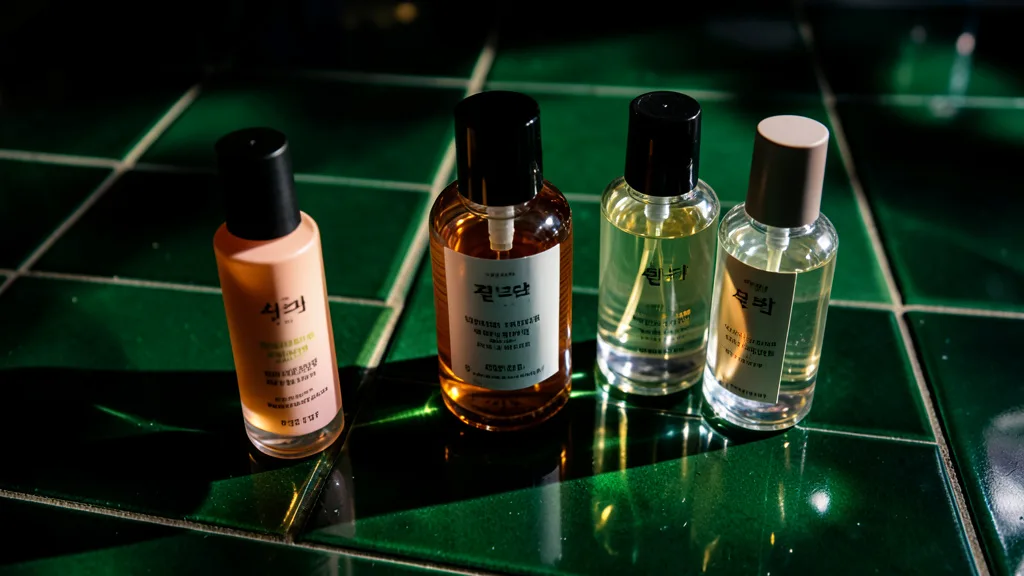
2026 Trend Watch
The industry has moved beyond temporary "glow" to permanent "health." Here are the trends shaping brand competition this year.
-
Pre-juvenation
Brands focusing on collagen preservation in consumers aged 18-25.
-
Bio-ferments
The rise of "Living Skincare" containing active probiotic cultures.
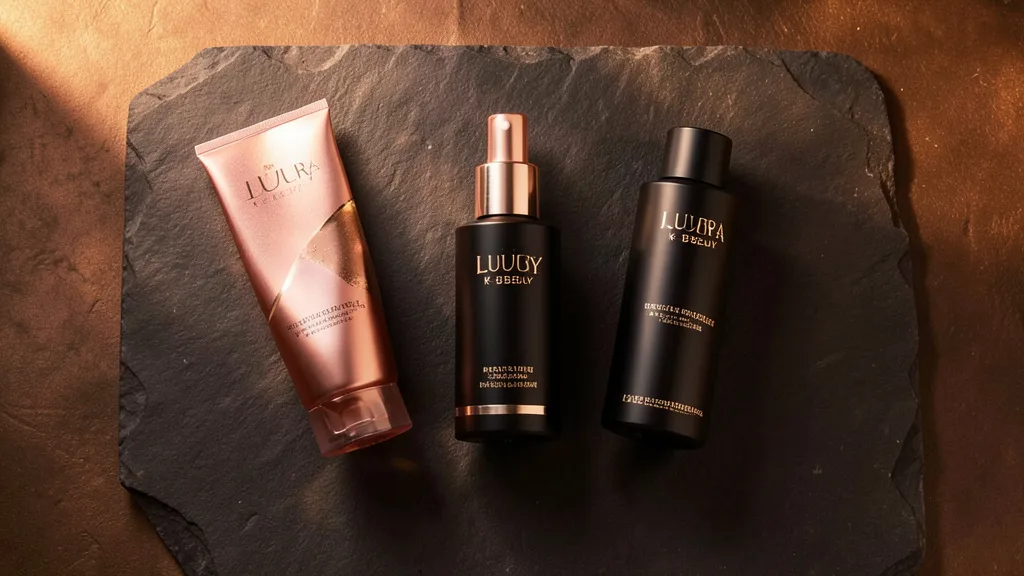
The Glass Skin Evolution
No longer just about shine; it's about the translucency that comes from deep, layered moisture and low-level exfoliation.
View Ritual →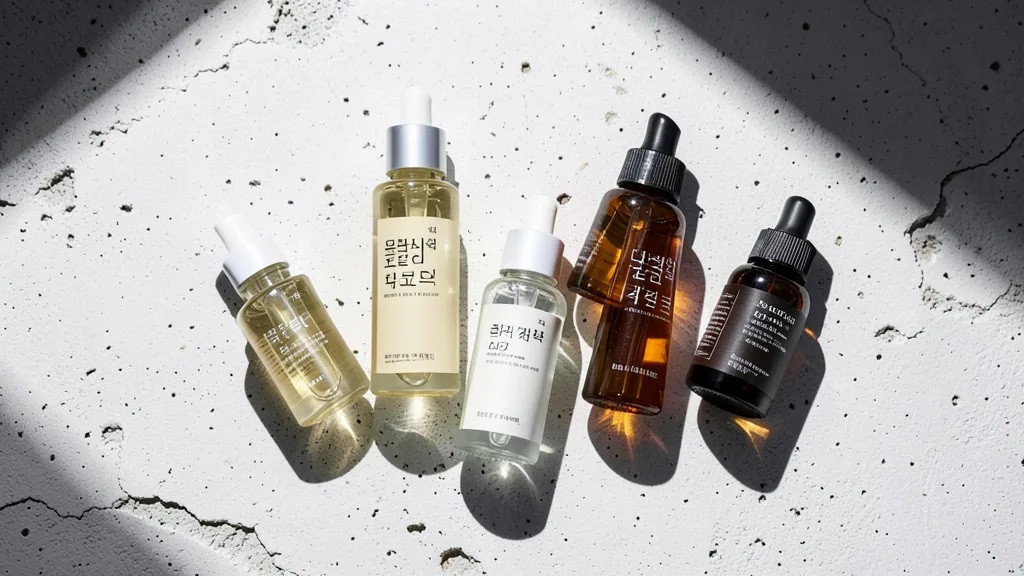
Ceramide-Rich Resilience
How Western brands are borrowing the "Barrier First" approach to treat skin sensitized by over-exfoliation.
Read More →Ingredient Science: The 2026 Competitive Edge
Leading brands are now fighting on the molecular front. Here is how they stack up against each other's signature components.
01 Traditional Hanbang
K-Beauty brands like I'm From and Sulwhasoo leverage Mugwort, Rice, and Ginseng. These ingredients are fermented to decrease molecular size, allowing for better skin penetration. Science shows fermented red ginseng contains higher levels of ginsenosides, which boost collagen synthesis effectively.
Study the Fermentation →02 Western Clinical Actives
Brands like Skinceuticals and Drunk Elephant focus on high-potency L-Ascorbic Acid (Vitamin C) and stabilized Retinol. While K-Beauty focuses on prevention, Western brands often dominate the "reversal" of existing damage through aggressive, clinically proven percentages.
Analyze Viral Serums →Frequently Asked Questions
Why are Korean sunscreens often preferred over Western ones?
Korean sunscreens use newer-generation chemical filters (like Uvinul A Plus and Tinosorb S) that are not yet approved in some regions, like the US. These filters are incredibly stable and allow for "water-like" textures that don't leave a white cast, making them more comfortable for daily wear.
Can I mix K-Beauty products with my Retinol routine?
Absolutely. In fact, many K-Beauty products are perfect "buffers." Using a Centella Asiatica (Cica) ampoule before or after your Retinol can significantly reduce irritation and help maintain the moisture barrier while the active ingredient works.
Is the 10-step routine still relevant in 2026?
The "10-step" routine was always more of a philosophy than a strict requirement. In 2026, we see a move toward "Skip-care," which involves using multi-functional products that combine several steps (like a toner-essence hybrid). The focus has shifted from quantity to quality.
Ready to Build Your Perfect Routine?
Whether you lean toward the rituals of the East or the clinical precision of the West, we have the resources to guide you.