Global Skincare Trends: The Innovation Era
As we navigate 2026, the intersection of biotechnology, longevity science, and neuro-beauty is redefining the $180B global skincare market. Join Dr. Anya Sharma as we decode the innovations bridging Eastern rituals and Western clinical rigor.
"The future of skincare isn't just about topical application; it's about biological synergy and environmental resilience."
— Dr. Anya Sharma, PhD
The 2026 Global Market Dynamics
The skincare landscape in 2026 is no longer a monolithic industry. It is a fragmented yet hyper-connected ecosystem where the Asia-Pacific region, led by South Korea and Japan, continues to drive textural innovation, while the US and UK markets pioneer clinical efficacy and sustainable logistics. According to recent McKinsey beauty reports, the premium segment is outperforming mass market offerings by a ratio of 2:1, driven by a consumer demand for "proven results" over "marketing claims."
Hyper-Localization
Brands are moving away from 'one-size-fits-all' formulations. 2026 marks the rise of "Climate-Adaptive Skincare" that responds to local humidity, pollution levels, and UV indices.
Biotech Hegemony
Synthetic biology is replacing traditional plant extraction. Lab-grown squalane, ceramides, and peptides are now the gold standard for purity and sustainability.
Digital Transparency
Blockchain-backed supply chains allow consumers to scan a QR code and see the exact molecular testing and ethical sourcing of every ingredient.
1. The Microbiome-First Paradigm
We have moved past simple hydration into the era of Symbiotic Skincare. In 2026, we don't just "apply cream"; we manage a delicate living ecosystem. Research into the skin-gut-brain axis has proven that our skin's health is intrinsically linked to our internal microbial diversity.
- Postbiotic Infusions: Ingredients that mimic the metabolic byproducts of healthy bacteria.
- Phage Therapy: Utilizing specific viruses to target acne-causing bacteria without disrupting the healthy flora.
2. Neuro-Beauty: Skincare as Mental Wellness
The "Skin-Mind" connection is the fastest-growing category in 2026. Neuro-cosmetics utilize ingredients that interact with skin receptors to modulate cortisol levels and stimulate the release of beta-endorphins (the "happiness" molecules).
This trend, heavily influenced by Eastern holistic philosophies, emphasizes the ritual of application. It’s no longer about a quick 1-minute wash; it’s about sensory-focused textures and scents that calm the nervous system, thereby reducing stress-induced inflammatory skin conditions like eczema and adult acne.
"When the mind is stressed, the skin barrier weakens. 2026 is the year we treat the root cause, not just the symptom."
3. Longevity Science vs. Anti-Aging
The term "anti-aging" is officially obsolete. In 2026, the focus is on Skin Longevity. This involves protecting the "cellular youth" of the skin by targeting senescence cells—also known as "zombie cells"—that refuse to die and instead spread inflammation to neighboring healthy cells.
Innovations like NAD+ boosters, sirtuin activators, and targeted mitochondrial support are the new pillars of a high-performance routine. This clinical approach is often balanced with K-Beauty ritualistic layers, ensuring that potency doesn't come at the cost of irritation.
View Longevity IngredientsTrend Innovation Simulator
Which 2026 global innovation matches your current skin goals? Use our tool to find out.
Select your parameters
Our AI engine will recommend the 2026 trend that best aligns with your profile.
AI-Powered
Personalization
The days of guessing your skin type are over. By 2026, hyper-personalization is no longer a luxury for the affluent; it is the standard for the informed consumer.
Virtual Try-Ons 2.0
Augmented reality now tracks skin texture and pore size in real-time, predicting how a product will look after 4 weeks of use.
DNA-Specific Routines
Subscription models now include genetic testing kits to identify predispositions to oxidative stress or collagen degradation.
Biotechnology & Lab-Grown Actives
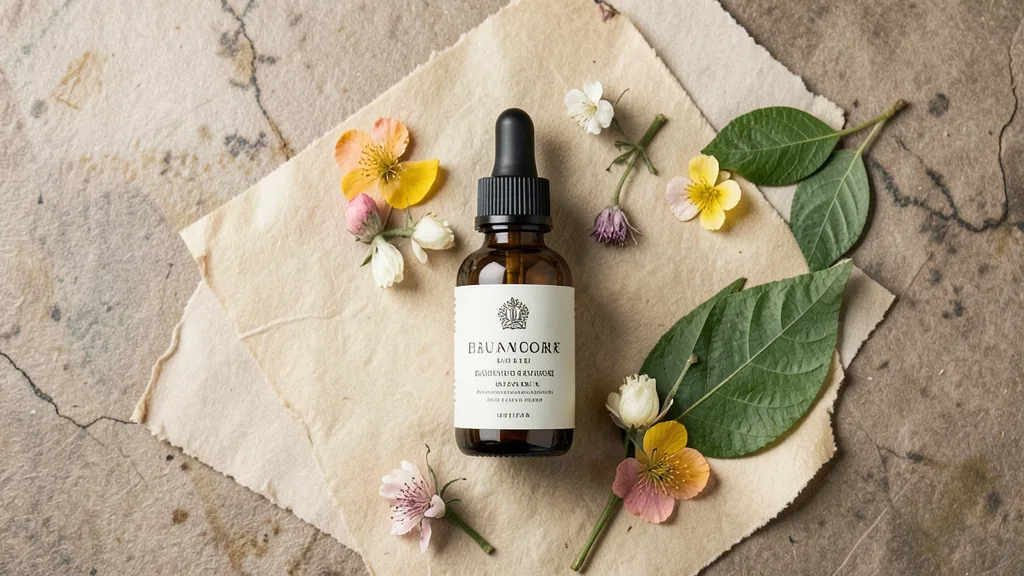
Collaborative efforts between pharmaceutical giants and beauty brands have led to the creation of "Bio-Identical" ingredients. These are molecularly identical to the substances found in human skin, ensuring zero irritation and 100% absorption. Fermentation tech, popularized by K-Beauty innovators, is now being used to create potent concentrations of Vitamin C and Retinoids that are stable without harsh preservatives.
The Convergence: Aesthetic Medicine
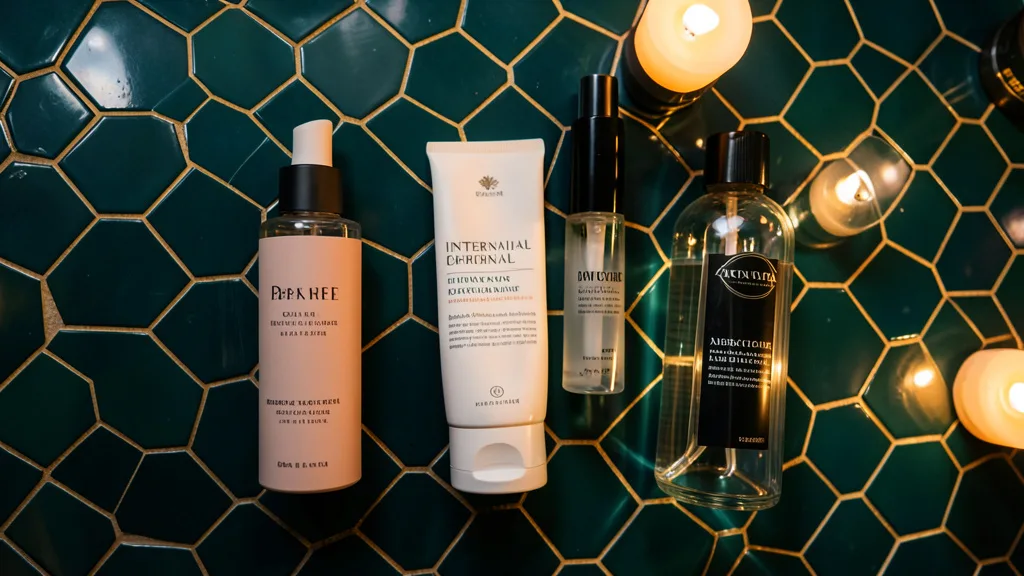
As aesthetic procedures (lasers, microneedling, injectables) become mainstream, a new category of "Post-Procedure Skincare" has emerged. These products are designed specifically to accelerate healing and prolong the results of clinical treatments. We are also seeing the rise of topical "mimic" ingredients—products that claim to replicate the firming effects of Botox or the plumping effects of fillers through advanced peptide chains.
Sustainability: Beyond the Bottle
In 2026, sustainability is no longer just about recyclable plastic. It’s about Waterless Formulations and Carbon-Negative Manufacturing. Concentrated powders and solid balms that activate with tap water are reducing the carbon footprint of global shipping by 70%.
Learn more about Eco-Beauty →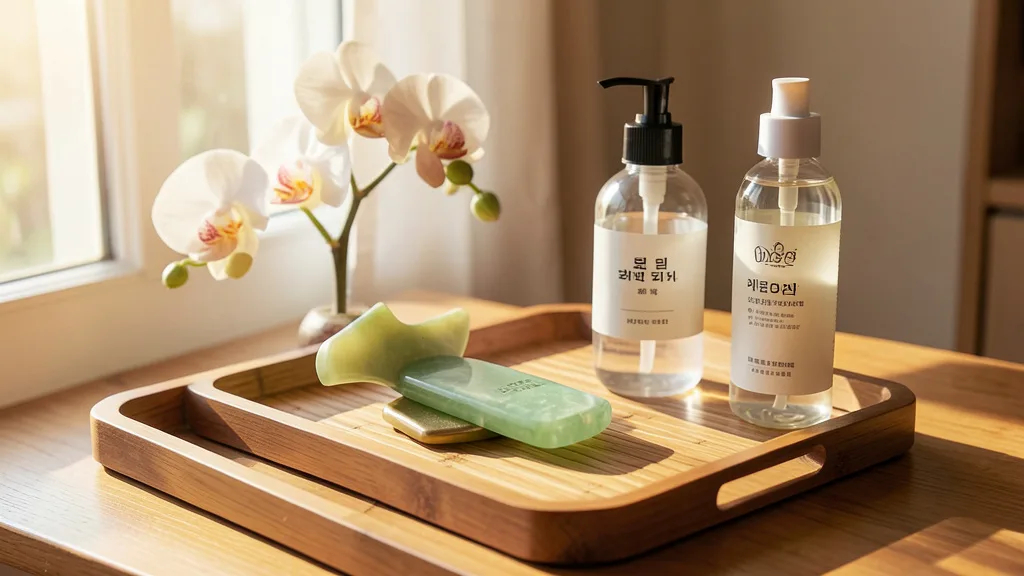
Geopolitics of Glow: Regional Leaders
The Texture Architects
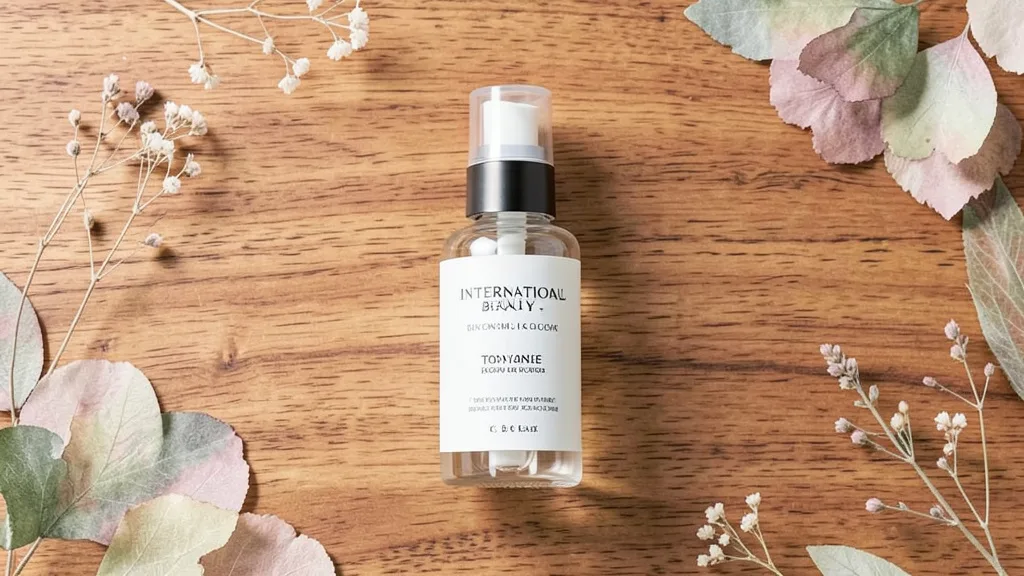
Asia-Pacific remains the laboratory of the world. In 2026, Korean brands are moving beyond "Glass Skin" into "Structure Skin"—focusing on the deep architecture of the dermis using ginseng-derived exosomes and fermented minerals. The philosophy remains: preventative, gentle, and layered.
Key Innovation:
Exosome-infused sheet masks for instant cellular repair.
The Clinical Powerhouses
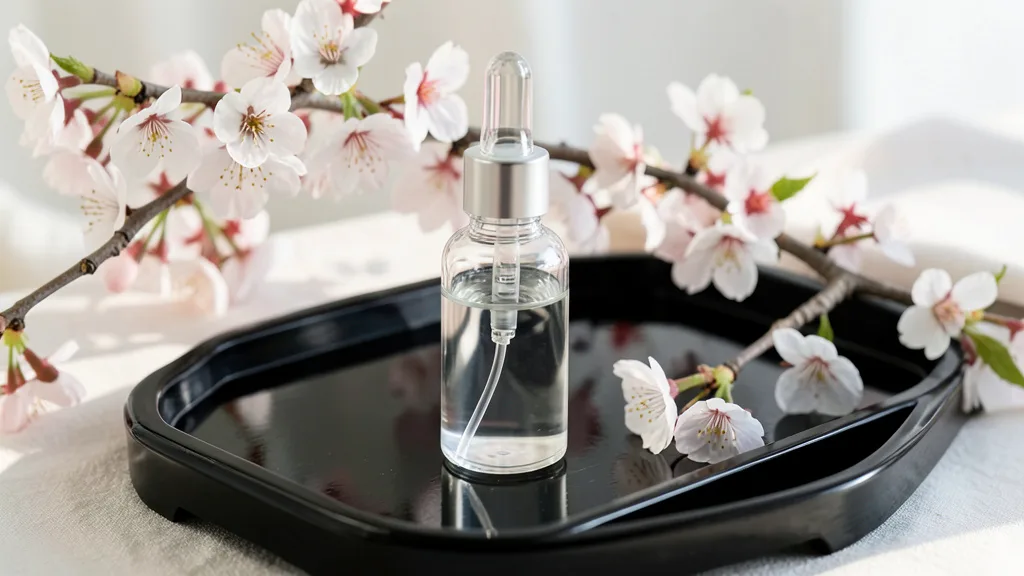
The West is doubling down on "Performance Beauty." American brands are leading the charge in medical-grade home devices, from high-powered LED masks to targeted micro-current patches. The focus here is on efficiency: minimal steps with maximum concentration of active ingredients like stabilized retinaldehyde and copper peptides.
Key Innovation:
Topical GLP-1 agonists to counteract "Ozempic Face" sagging.
Ethical Science: The End of Animal Testing
One of the most significant shifts in 2026 is the global regulatory ban on animal testing for both ingredients and finished products in nearly 90% of markets. This has been made possible by Bio-Printed Skin Models.
Scientists can now 3D-print "living" human skin patches that react exactly like a patient's own skin. This allows brands to test for irritation and efficacy with 99.9% accuracy, significantly speeding up the innovation cycle for viral skincare breakthrough products.
Research Update
"The adoption of New Approach Methodologies (NAMs) has reduced the time-to-market for active ingredients by an average of 14 months." — International Journal of Cosmetic Science.
Future Proofing Your Routine: FAQ
What is "Skinimalism" in 2026?
How does Blue Light protection factor into current trends?
Are "beauty-from-within" products actually effective?
Stay Ahead of the
Skincare Curve
Join our community of over 500,000 skincare enthusiasts and professionals. Get weekly research updates from Dr. Anya Sharma directly to your inbox.
Explore our Brand Comparison Guides or join the conversation in the Community Forum.