Ingredient Science: In-Depth Skincare Ingredient Analyses | Dr. Anya Sharma
Science-Backed Beauty

Ingredient Science

In an era of "skintellectualism," understanding the molecular blueprint of your products isn't just a hobby—it's a necessity. Join Dr. Anya Sharma as we decode the chemistry of radiance.

The Modern Skincare Dilemma

The global skincare market in 2026 is more saturated than ever. With thousands of viral products claiming "miracle results" overnight, consumers are often left adrift in a sea of complex terminology and aggressive marketing. The challenge isn't finding a product; it's finding the *right* molecule for your specific biological needs.

Understanding viral products requires more than just reading a TikTok caption. It requires a fundamental grasp of how ingredients penetrate the stratum corneum, interact with cellular receptors, and maintain stability within a complex emulsion. This guide serves as your definitive roadmap to evidence-based skincare.

Skincare Serum Drop Macro

How Experts Evaluate Efficacy

When I evaluate a new formulation, I look beyond the front label. As a cosmetic scientist, my methodology is rooted in three pillars of pharmaceutical rigor:

  • 01

    Bioavailability & Penetration

    Is the molecule small enough to reach the target layer? Does the delivery system (liposomes, encapsulation) ensure it gets there intact?

  • 02

    Clinical Concentration

    Is the active present at the percentage proven effective in peer-reviewed studies, or is it merely "fairy dusted" for marketing?

  • 03

    Synergistic Stability

    How does the pH of the formula affect the ingredient? Does it work harmoniously with other compounds or risk oxidation?

The "Golden Standards" of 2026

A technical breakdown of the most transformative actives in modern dermatology.

Retinoid Cream Texture

Retinoids & Retinol

The ultimate gold standard for cellular turnover. Derived from Vitamin A, retinoids bind to nuclear receptors in the skin to stimulate collagen synthesis and normalize keratinization.

Dr. Sharma's Tip

"In 2026, we focus on Hydroxypinacolone Retinoate (HPR), a direct-to-receptor ester that provides the power of tretinoin with significantly less irritation."
Compare Retinol Brands →
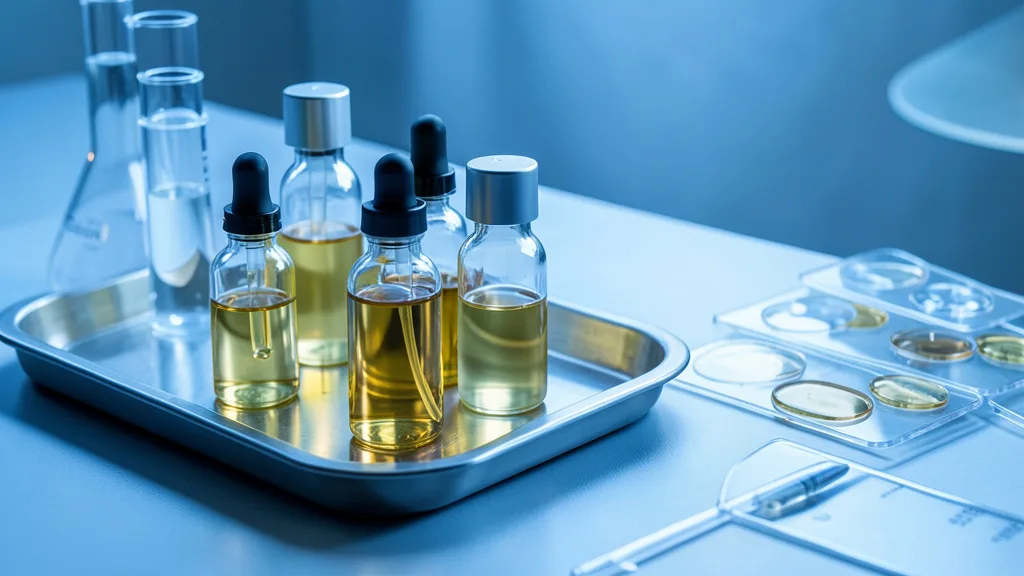
Vitamin C Oil Macro

L-Ascorbic Acid (Vitamin C)

The primary antioxidant used to neutralize reactive oxygen species (ROS) caused by UV and pollution. L-Ascorbic Acid requires a low pH (<3.5) for optimal penetration.

Scientific Reference

Studies show that Vitamin C works synergistically with Vitamin E and Ferulic Acid to increase photoprotective benefits eightfold.

New Vitamin C Tech →
Dropper Tip Macro

Niacinamide (B3)

The versatile "workhorse" of skincare. It strengthens the skin barrier by increasing ceramide production and regulates sebum without stripping moisture.

K-Beauty Insight

Korean formulations often pair Niacinamide with Centella Asiatica for a potent anti-inflammatory effect.

Routine Placement →

Ingredient Synergy Checker

Can you mix these two? Use our AI-powered tool based on Dr. Sharma's research.

Stability: The Invisible Factor

A product is only as good as its last drop. Many high-end serums fail because the molecules degrade before they ever reach your skin. This is why packaging science is just as vital as ingredient selection.

pH Sensitivity

Acids like Salicylic and Glycolic need a low pH to effectively exfoliate. If the formula is too alkaline, the "active" becomes inert.

Oxidation & Light

Vitamin C and Retinol are photolabile—meaning they break down in sunlight. Look for opaque, airless pumps rather than clear glass droppers.

Learn more about these dynamics in our Skincare Philosophy page.

Serum Impact Macro Leaf Botanical Structure Macro

The Horizon of 2026: Emerging Actives

Bio-Identical Peptides

Signal peptides like Copper Peptides and Matrixyl 3000 mimic the skin's natural healing messages to boost elastin production.

Bakuchiol

The botanical alternative to retinol. While chemically distinct, it targets the same genetic pathways without the redness associated with Vitamin A.

Microbiome Regulators

Focusing on pre-, pro-, and post-biotics to maintain the skin's acid mantle and defense against pathogenic bacteria.

Debunking Ingredient Myths

Myth 1: Natural is always better.

Fact: Some of the most irritating ingredients (essential oils, citrus extracts) are "natural," while many synthetic molecules (Glycerin, Petrolatum) are the safest for compromised skin. Science focuses on *biocompatibility*, not origin.

Myth 2: High price equals high efficacy.

Fact: You are often paying for branding, heavy glass packaging, and fragrance. Excellent 10% Niacinamide or 2% Salicylic Acid can be formulated effectively at a mass-market price point.

Myth 3: More actives = Faster results.

Fact: This is the quickest route to a damaged skin barrier. Over-exfoliation and ingredient conflict can cause chronic inflammation, accelerating aging rather than reversing it.

Decoding the INCI List

The International Nomenclature of Cosmetic Ingredients is your secret decoder ring.

The "1% Rule"

Ingredients are listed in descending order of concentration until you hit the 1% mark. After that, they can be listed in any order.

If you see Ceramides or Hyaluronic Acid at the very end of the list after preservatives like Phenoxyethanol, know that they are likely present in tiny, barely-functional amounts.

Common Jargon Translation

  • Aqua / Water Solvent
  • Tocopherol Vitamin E
  • Sodium Hyaluronate Hyaluronic Acid Salt
  • Helianthus Annuus Sunflower Oil
  • Panthenol Pro-Vitamin B5

The Controversy Corner: Fact vs. Fear

Parabens

Are they hormone disruptors?

"Parabens are among the most studied preservatives. Scientific consensus remains that they are safe in the low concentrations used in cosmetics."

Sulfates (SLS)

Do they cause cancer?

"No. They are surfactants that can be irritating to dry skin, but they are non-toxic and biodegradable."

Silicones

Do they suffocate skin?

"Silicones have a porous molecular structure. They allow the skin to breathe while preventing trans-epidermal water loss."

For independent safety ratings, consult the EWG Skin Deep® Database.

Matching Ingredients to Concerns

A quick-reference guide for your specific skin goals.

Hyper-Pigmentation

Look for: Tranexamic Acid, Alpha Arbutin, Vitamin C, Kojic Acid, Azelaic Acid.

Acne & Congestion

Look for: Salicylic Acid (BHA), Retinoids, Zinc PCA, Tea Tree Oil (diluted).

Fine Lines & Texture

Look for: Retinol, Glycolic Acid, Peptides, Growth Factors.

Dehydration & Barrier Repair

Look for: Ceramides, Panthenol, Hyaluronic Acid, Squalane, Cholesterol.

Clinical Case Study: The "Less is More" Protocol

How Dr. Sharma treated a patient with "Red Face Syndrome" (over-exfoliation) through ingredient elimination.

Before Intervention
  • • Using 10% AHA daily
  • • Layering 1% Retinol with Vitamin C
  • • Skin barrier compromised
  • • Chronic stinging and redness
After 4 Weeks
  • • Reduced to Gentle Cleanser + Ceramides
  • • Re-introduced Retinol once weekly
  • • Significant reduction in inflammation
  • • Trans-epidermal water loss (TEWL) normalized

Stay Scientifically Informed

Join our community to receive monthly deep-dives into new cosmetic studies and clinical trials, curated by Dr. Sharma.

Join the Skincare Conversation